
Recessed
Filter
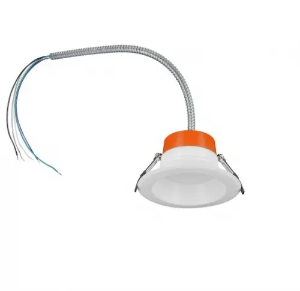
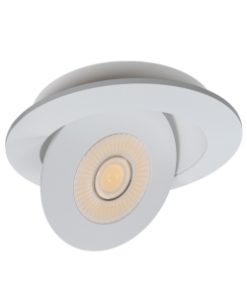
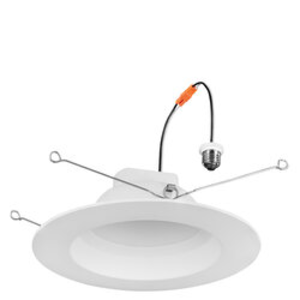
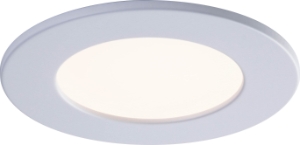
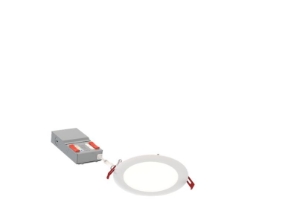
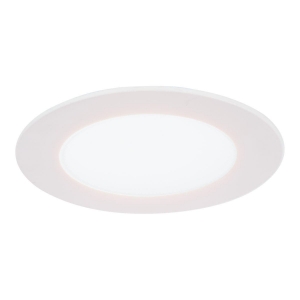
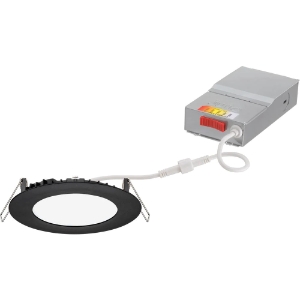
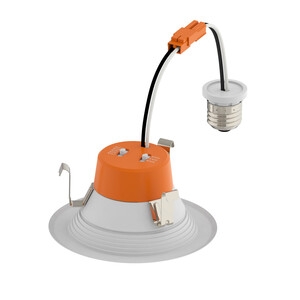
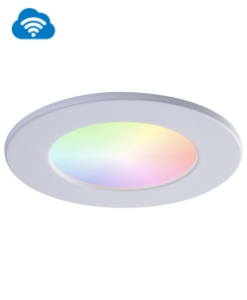
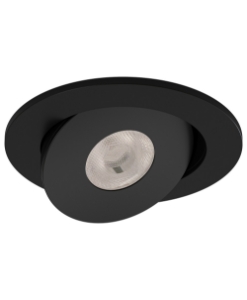
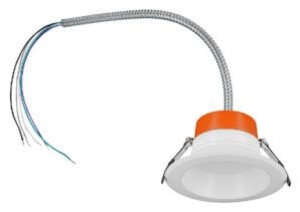
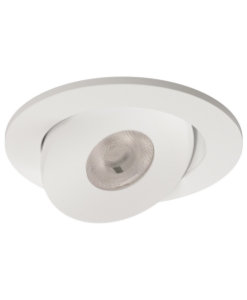
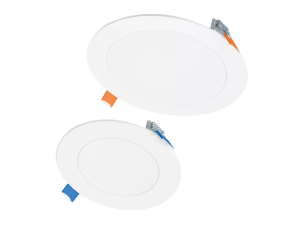
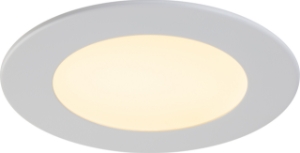
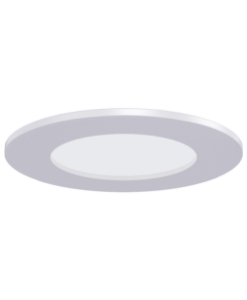
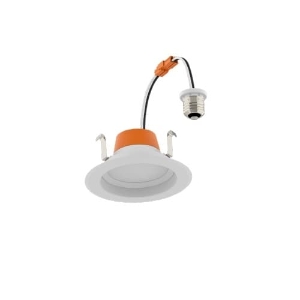
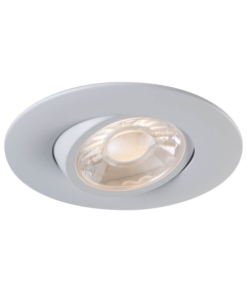
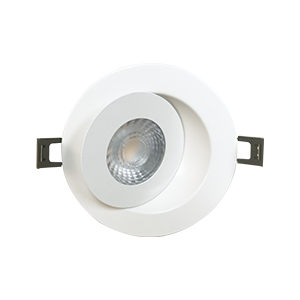

Shop Recessed LED Lights by Size, Brightness, and Beam Needs
Choosing the right recessed light starts with the basics: fixture size, lumens, and light direction.
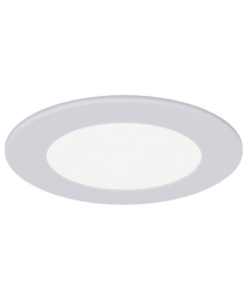
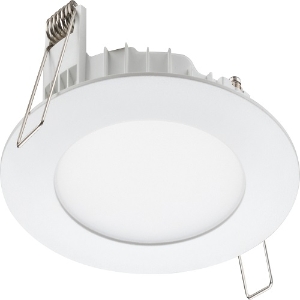
On this page, you can compare smaller and larger recessed fixtures, plus options with different lumen output for task lighting, general lighting, or accent lighting. If you want a clean ceiling look, slim recessed LED lights are a popular choice. If you need more directional control, a gimbal downlight can help highlight walls, artwork, or work areas.
Use the filters to narrow down your options faster and find a fixture that fits your room and lighting goal.
Smaller fixtures (e.g., 3"–4") work well for tight spaces or accent lighting, while larger options provide broader coverage for general lighting.
If you are planning a full room upgrade, explore Indoor LED Lighting for more fixture types or compare with surface mount options for rooms without ceiling clearance.
Choose the Right Brightness and Performance (Lumens, CRI & Wattage)
Not all recessed lights perform the same. Use filters like lumens, wattage, and CRI to compare real output.
- Lumens: higher = brighter light for larger rooms
- CRI (90+): better colour accuracy for kitchens, retail, or finished interiors
- Wattage: helps gauge energy use
- This is the fastest way to narrow down options based on actual performance, not just price. For complete setups, consider linking to LED dimmers and lighting controls for better flexibility.
Pick the Best Color Temperature for Your Space
The category includes both fixed color temperatures and selectable CCT recessed lights, giving you flexibility based on the room.
- 2700K–3000K: warm, cozy lighting (living rooms, bedrooms)
- 3500K–4000K: clean, neutral lighting (kitchens, hallways)
- 5CCT options: ideal if you want flexibility on-site
- If you are unsure, check a color temperature guide or explore similar tones across other LED indoor lighting categories.
Compare Slim, Gimbal, and Standard Recessed Fixtures
Different installations need different fixture styles:
- Slim recessed lights: best for tight ceiling spaces
- Gimbal downlights: adjustable for directional lighting (artwork, walls)
- Standard recessed fixtures: reliable for general lighting layouts
- Using the category filters, you can quickly compare these types side by side. If you are designing a full lighting plan, also browse track lighting or under-cabinet lighting for layered lighting solutions.
Shop Trusted Recessed Lighting Brands
This page brings together popular brands like Liteline, Halo, Juno, Sylvania, and STANDARD®, so you can compare features in one place. Each brand offers different strengths such as multi-CCT flexibility, high CRI output, or compact designs.
If you already have a preferred manufacturer, use the brand filter to narrow results faster, or explore dedicated brand pages like Liteline recessed lighting to stay consistent across your project.
Designed for Renovations, Retrofits, and New Installations
Whether you are upgrading existing fixtures or working on a new install, this category supports both use cases. Use filters like voltage rating, housing material, and lamp type to match your requirements. Slim designs simplify retrofits, while higher-lumen fixtures help with new layouts.
To complete your setup, consider adding switches, dimmers, or motion sensors to improve energy efficiency and usability.
FAQ
What size recessed light should I choose?
It depends on the room and ceiling opening. Smaller fixtures work for accents or tight spaces, while larger fixtures are better for general lighting. Always match the fixture size to your ceiling cut-out.
What is the best color temperature for recessed lighting?
It depends on the room. Warm white (2700K–3000K) suits living spaces and bedrooms. Neutral white (3500K–4000K) works better in kitchens, hallways, and utility areas. Selectable CCT fixtures with multiple color temperature settings give you flexibility during installation.
What does CRI mean, and how it matters in recessed lighting?
CRI stands for Color Rendering Index. It measures how accurately a light shows colors of objects and surfaces compared to natural sunlight. Measured on a scale from 0 to 100, a 90+ CRI recessed light is ideal for spaces where color clarity matters, like kitchens or detailed work areas, bathrooms, retail-style displays, or finished interiors.
Are slim recessed lights better for renovations?
Yes. Slim recessed lights are easier to install in tight ceiling spaces, making them a popular choice for retrofits and renovations where depth is limited.
Do I need dimmable recessed lights?
Dimmable fixtures offer better control over brightness and energy use. Pairing recessed lights with compatible LED dimmers is recommended for most residential and commercial setups.
What is the difference between slim recessed lights and standard recessed fixtures?
Slim recessed lights are designed for spaces where ceiling clearance is limited. Standard recessed fixtures are often chosen for general overhead lighting where installation depth is less of a concern. This category includes both compact recessed options and slim LED downlights, so you can choose based on ceiling conditions and room layout.
How do I choose the right lumen output for a recessed light?
Lumens tell you how much light the fixture produces. Lower-lumen options may work for accent lighting or small spaces, while higher-lumen fixtures are better for brighter general lighting. Since this page includes a range of lumen outputs, shoppers can compare brightness directly using the Lumens filter.
Are adjustable recessed lights available in this category?
Yes. The product listings include gimbal downlights, which are useful when you want to direct light toward a specific area instead of straight down. These are a good fit for feature lighting, sloped ceilings, and spaces where fixed downlighting does not provide enough control.